

Remote Key Fob Repair
Modern vehicles are equipped with remote keys that can be used to lock, unlock and start the vehicle. However, like any piece of high-tech equipment it isn't without problems.
They are typically very simple to fix. It's as simple as resetting it, which you should be able accomplish by following the resetting instructions in the owner's manual.
Check the Battery
The battery of the fob that powers it is responsible for the remote control function. It's a small and inexpensive part that should be replaced frequently to ensure that the fob's function is maintained. There are many other reasons your key fob might not be functioning properly, besides the battery. Damage to the physical, exposure to water or internal component failure could be the cause. If your key fob is not working then replace the battery.
First, make sure you have the correct size battery. Most modern key fobs are powered by a three-volt CR2032, which is easily available in a wide range of stores. The size of many of these batteries is engraved on the edges of the key fob. You can find the kind of battery your car requires by searching for the brand name.
When you have the correct battery then carefully open your key fob, and then remove the battery. Take a photo of the inside of the fob before you do this to ensure you put everything back together the right way. This simple step can save you from buying an entirely new fob because you made a mistake when making it back together.
It is important to be aware that certain key fobs come with an alternate mechanical key, called an emergency blade. car key repair shop near me 's located inside the fob's key and allows you to open your car's driver's side door in the event that the remote control isn't working. To access the key blade, you need to locate the notch located in the middle of the fob. The notch is usually a circle that's hidden by the fob's plastic casing.
If you'd like to be extra cautious, you can make use of a multimeter to test the voltage of the battery. The majority of modern key fobs have an voltmeter embedded in their casings. However, you can also get a multimeter for just a couple of dollars at many hardware stores. Generally speaking, the battery should be reading 3.0 volts or greater. A reading that is lower than that could indicate a battery in its last stages and should be replaced immediately.
Check the Buttons
Key fobs for cars may appear to be nothing more than modern, high-tech gadgets however, they're not indestructible. It's not uncommon for remote devices to stop working after a time, particularly when the vehicle is used frequently or if there is lots of physical abuse involving it. Fortunately, most of the times it's easy to diagnose and fix a problem with remote key fobs, and replacing the battery is often all that's required.
Modern car key fobs come with multiple buttons that perform different functions. For example, they can be used to lock and unlock the doors as well as activate the panic button and even open the trunk. When a button on the fob is hit, it sends a radio code to a receiver inside the vehicle. Some fobs also have a button that can start the engine, which is particularly useful during cold winter mornings or hot summer days.
Typically, the buttons on a key fob can be reset by snapping the device in two and ensuring they're not damaged or stuck. The battery connector terminals on the key fob can be loose over time, despite the fact that they aren't designed to be removed. If the buttons' contacts are disconnected from the circuit board and need to be soldered, a simple job can be enough to get them back in place and restore the fob to its full functionality.
In addition, if a fob has been damaged or dropped in any other way, the buttons may be broken or out of alignment, or misaligned. These problems are more difficult to repair by yourself. However, a local auto shop can fix them using the right tools and experience.
It's always recommended to keep an extra key somewhere in case one that you frequently use fails to function. You'll be able to avoid being in the middle of nowhere without your keys, or having to pay a lot to have the car transported to the dealer. It is also advisable to look over your car insurance policy, car club membership or extended warranty coverage to determine if it covers the cost of replacing or programming the new fob.
Check the Casing
It's not uncommon for a keyfob's cap to get wet. It could be the result of the pool, a rainstorm, or even from your washing machine. The resulting moisture can wreak havoc with the electronics inside, causing a host of malfunctions. It's good to be aware that you can save your key fob from dying by following a few simple steps and thoroughly drying it.
First, check whether the buttons function correctly. This usually involves removing, cleaning and reassembling the buttons. If the buttons aren't functioning or come in, it might be time to replace your remote.
It is also important to inspect the case to ensure there's nothing blocking the operation of the key fob. The case can be opened using tweezers and take out the battery. Don't remove the circuit board or antennas. They have electric current flowing through them, which keeps the key fob programmed to your car, and should you disrupt these circuits, you'll need go to a dealer or choose an Interstate All Battery Center location to re-program it.
After you have removed and replaced the battery, it's a good idea for you to dry the key fob by putting it in the bag of a plastic bag with silica gel packets. This will avoid future problems with moisture and will make your key fob more durable.
Finally, if the fob is not working properly, you'll need to visit a dealership or an independent shop that specializes in your particular type of vehicle. They can reprogramme the key fob for your vehicle and hopefully restore its full functionality.
If all else fails, an alternative key fob from NAPA can be purchased online or at your local NAPA Auto Parts store. These DIY remotes function just like the original fob, but are more affordable. They are easily paired to your vehicle by following simple instructions. NAPA offers a number of do-it-yourself replacements that you can re-program in a matter of minutes.
Check the Connections
Sometimes your key fob might just stop working - even though it's programmed to your vehicle. It could be due to a variety of reasons, such as broken battery terminal contacts or buttons. It is possible to fix the issue yourself by performing a simple maintenance.
The first thing you have to do is make sure that your backup remote can lock and unlock your car's doors. If it can't then there could be a problem in your main remote. If you are still unable to do it, try replacing the batteries in the backup remote.
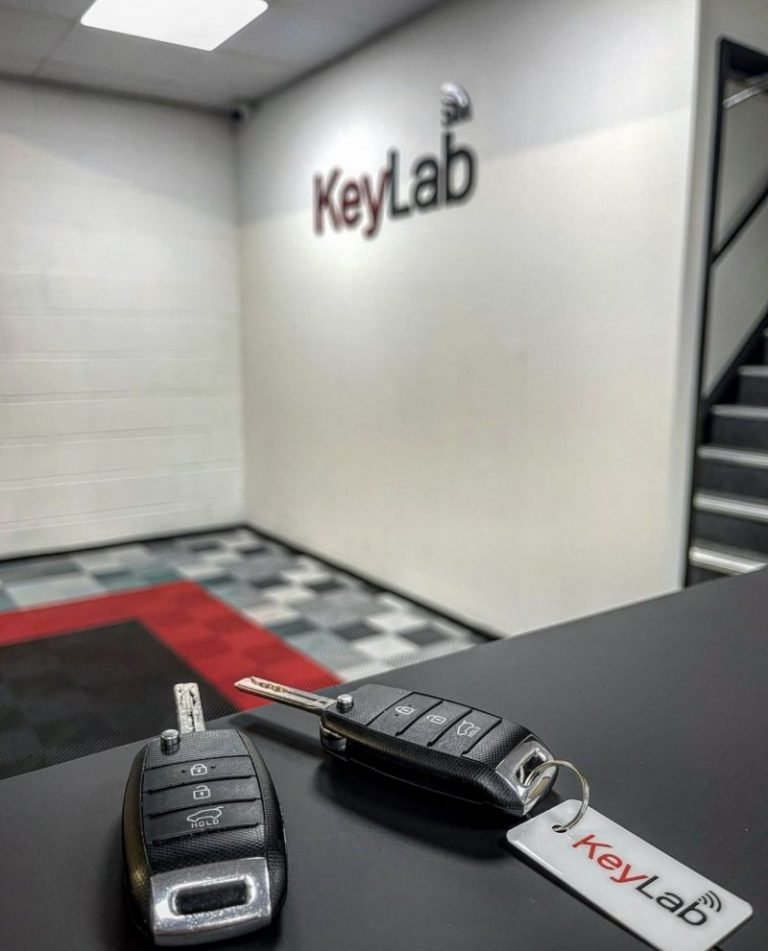
It's a great idea to disassemble your key fob before replacing the battery and then inspect the circuit board. Make sure there aren't any cracked solder joints. Once you're done with that, you can replace the battery and reassemble the key fob.
After you have replaced the battery and reassembled your key fob, you should test the connection to your vehicle. This can be done by inserting a mini flathead screwdriver into the notch on the bottom of your key fob. From there, you can pry apart the two pieces of your key fob, and gently remove the circuit board. Carefully insert a new CR 2032 3V battery, ensuring that it's placed with the negative side facing downwards. Once you've successfully inserted the circuit board, you are able to reassemble the key fob and try again.
If this doesn't work for you, then there is a bigger problem. If this is the case, contact your dealer or a repair shop that is specialized in the car's model. They can determine the problem by using a radio-frequency tester an instrument that determines the frequency at which your key fob transmits an electronic signal to the car's computer.
We hope that this guide has been useful for anyone having trouble with their vehicle's key fob. Contact us if you have any questions or concerns. We'll be glad to help you get back on the road in Deptford or Cherry Hill!